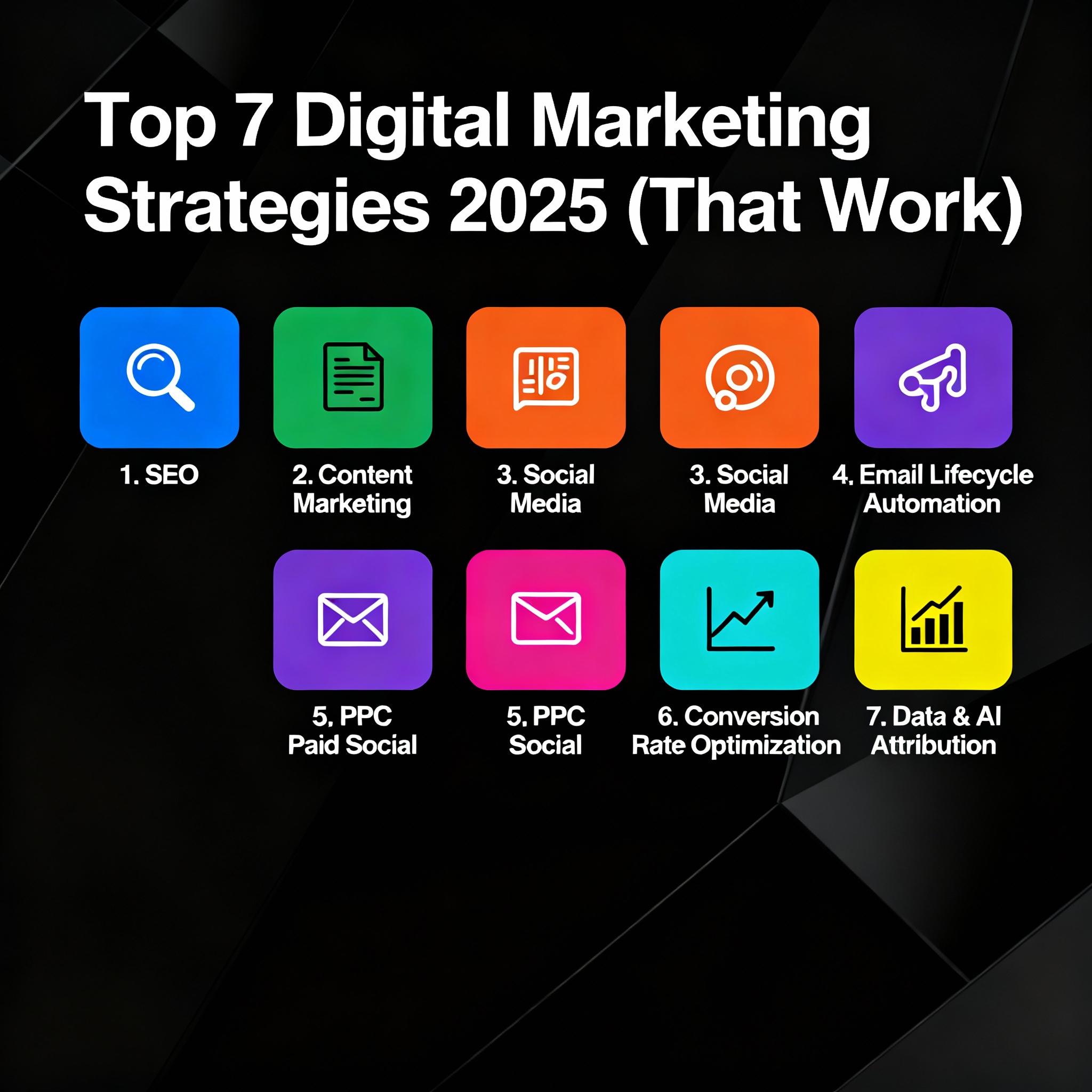
Social platforms have become part of how people discover brands, compare options, ask questions and share recommendations. For a business, that creates an opportunity—but simply creating accounts and posting occasionally is not a strategy.
Effective social network marketing connects business goals with the needs and habits of a specific audience. It gives people a reason to pay attention, helps a brand communicate consistently and creates a path from discovery to a useful next step. That next step might be visiting a website, saving a guide, asking a question, booking a consultation or making a purchase.
The strongest approach is not to be present on every platform. It is to choose the platforms that make sense for your customers, publish content that serves a purpose and review what the audience actually responds to.
1. Start with a business goal and audience
Before choosing a platform, decide what social media should contribute to the business. Brand awareness, community engagement, website visits, enquiries, sales and customer support are different objectives. A campaign designed to introduce a new brand needs different content from one designed to generate qualified enquiries.
Describe the audience in practical terms: what they are trying to achieve, what questions they ask, what concerns slow down a decision and where they already spend time online. A local service provider in Ahmedabad may need to reach people in specific neighbourhoods, while a software company may be speaking to decision-makers across several cities.
Use audience insight to shape the message. Avoid defining an audience only by age or gender if those details do not change the content. Job role, business type, purchase stage, location and problem to be solved may be more useful.
2. Choose platforms based on audience behaviour
Each platform has its own formats, culture and user expectations. Instagram can support visual storytelling, short videos, product discovery and community interaction. LinkedIn may be more relevant for professional services, B2B expertise and employer communication. Facebook can remain useful for local communities, groups and certain customer segments. YouTube supports searchable, longer-form video as well as short content.
Do not select a platform only because it is popular. Ask whether your audience uses it, whether your business can create suitable content and whether the platform supports the action you want. A business that sells visually distinctive products may benefit from image and video-led channels. A specialist B2B provider may get more value from educational posts, case studies and professional discussions.
Start with one or two channels that can be maintained well. Build a repeatable process before expanding. A neglected profile with outdated information can weaken trust, while a focused presence with useful content can support a clearer brand experience.
3. Create content pillars instead of posting randomly
Content pillars are a small set of recurring themes that organise what a business publishes. They help a team balance educational, promotional, proof-based and community content. For a digital agency, pillars might include practical marketing education, website and SEO tips, project process explanations, client questions and company updates.
Each pillar should serve an audience need. Educational content helps people understand a problem. Demonstration content shows how a product or service works. Proof-based content can explain a real project or customer experience, provided the details are accurate and permission has been obtained. Community content invites conversation rather than only broadcasting a sales message.
Use a content mix that reflects the business and the platform. There is no universal percentage that every brand must follow. If every post is promotional, the account may feel repetitive. If no post explains what the business offers, interested people may not know how to take the next step.
4. Build a realistic content calendar
A calendar turns broad ideas into a manageable publishing plan. It should include the topic, format, audience, objective, caption, creative requirements, owner, approval status and publishing date. It can also identify where one idea will be adapted for another channel.
Plan around customer questions, business milestones, product updates and relevant seasonal moments. Avoid forcing a trend into the calendar when it does not fit the brand. A useful evergreen post can continue helping people long after a trend has passed.
Leave room for timely conversations. A calendar should provide structure, not prevent the team from responding to an important customer question or industry development. Review it regularly and remove content that has become inaccurate or irrelevant.
5. Make each post useful and easy to understand
A strong post communicates one main idea. The opening should make the subject clear, the body should provide context or value, and the ending should suggest a relevant next step. The post does not need to sound like an advertisement every time.
Use plain language and concrete examples. Instead of saying “We provide innovative solutions”, explain what problem the service addresses or what a customer should consider before choosing a provider. If the post includes a technical concept, give a short explanation and show why it matters.
Visuals should support the message rather than distract from it. Use readable text, consistent brand elements and images that accurately represent the product, service or people involved. Add captions to videos where appropriate and write meaningful alt text for images when the platform supports it.
6. Use short-form video with a clear purpose
Short-form video can help demonstrate a process, answer a common question, show a product in use or introduce the people behind a business. The opening seconds should tell viewers why the video is relevant. Avoid delaying the useful information with a long logo animation or an unrelated introduction.
Plan videos around a simple structure: the question or problem, the explanation or demonstration, and the next step. A service business might explain one common mistake customers make before buying. A product brand might show how an item is used in a real setting. The format should match the story rather than forcing every idea into the same trend.
Keep production realistic. Clear audio, stable framing, adequate light and a focused script often matter more than expensive equipment. Review retention and meaningful actions, but do not assume views alone represent business impact.
7. Treat engagement as a two-way relationship
Social media is not only a publishing channel. Comments, direct messages, mentions and reviews provide information about what people need. Respond in a timely and respectful way, answer the question rather than pasting a generic sales message, and move sensitive account-specific matters to an appropriate private channel.
Create simple response guidelines. Decide who handles enquiries, what information can be shared publicly, when a conversation should be escalated and how complaints are recorded. A calm, helpful response can show other readers how the business treats customers.
Do not use engagement bait, fake comments or purchased followers to create the appearance of popularity. These tactics can distort reporting and weaken credibility. Focus on meaningful conversations with people who are relevant to the business.
8. Combine organic social with paid campaigns carefully
Organic content helps a business maintain a presence and develop relationships. Paid social campaigns can extend reach to selected audiences or support a defined conversion goal. The two approaches can work together, but they should not be treated as interchangeable.
Before running an advertisement, decide what action matters and where the click should go. If the ad promotes a particular service, the landing page should explain that service and make the next step clear. The creative, audience, offer and destination should tell a consistent story.
Set a budget that the business can afford to test, define the conversion event and monitor lead quality. A low cost per click is not enough if visitors do not become relevant enquiries. Use campaign data to identify which messages attract the right people, then improve the landing page and follow-up process.
9. Connect social media with SEO and your website
Social posts can introduce people to useful pages, but a business website remains an important place to explain services in depth, provide contact information and support enquiries. Make sure profile links lead to a relevant destination rather than sending every visitor to a generic page.
Search and social can support one another through content planning. Questions that appear in comments or direct messages may reveal topics worth answering in a blog article. A useful article can then be shared through social channels. The blog should provide complete information and the social post should give people a clear reason to read it.
Keep business details consistent across profiles and the website. Check that service descriptions, contact details and brand names are accurate. A well-structured website, supported by relevant SEO services, can help people who discover the brand through social channels find more information through search as well.
10. Measure outcomes that match the objective
Useful social metrics include reach, impressions, engagement, saves, shares, video retention, profile actions, website clicks, enquiries and sales. Which metrics matter depends on the goal. Awareness campaigns may focus on reach among the intended audience, while lead campaigns should be judged by qualified enquiries and follow-up outcomes.
Use consistent tracking links for campaigns and configure analytics events where appropriate. Record which content or campaign produced a visit or enquiry. Avoid claiming that a social post caused a sale unless the measurement supports that conclusion; attribution can be affected by multiple touchpoints.
Review performance over a meaningful period rather than reacting to one post. Look for patterns: which topics earn saves, which formats lead to profile visits, which calls to action generate relevant conversations and which audiences are more likely to enquire. Use these observations to guide the next calendar.
A 30-day social media plan for a small business
Week 1: Define one business objective, identify the primary audience and select one or two platforms. Review profile descriptions, contact details, profile links and visual consistency. List the ten questions customers ask most often.
Week 2: Turn those questions into content pillars and draft a manageable calendar. Prepare a mix of educational posts, a service explanation, a behind-the-scenes item and one customer-proof post if genuine permissioned material exists.
Week 3: Publish consistently and respond to comments and messages. Track the topics and formats that create meaningful interaction. If using paid promotion, start with a defined audience, budget and conversion event.
Week 4: Review reach, engagement quality, profile actions, website visits and qualified enquiries. Identify what to repeat, what to improve and what to stop. Update the next month’s plan based on evidence rather than assumptions.
Conclusion
Social media marketing works best when it is treated as a business process rather than a stream of disconnected posts. Choose the right audience, set a clear objective, build useful content pillars, publish consistently and listen to the people who respond.
Do not chase every trend or platform. Build a manageable system that connects content to the wider customer journey and use performance data to improve it. For a business in Ahmedabad or elsewhere in India, the right strategy is the one that reaches relevant people and gives them a useful next step.
Onceseen supports businesses with social media, SEO, paid campaigns and website services. Explore the social media marketing service or contact the team to discuss a strategy aligned with your business goals.
Social activity should lead to a coherent experience beyond the platform. A post can introduce a service, but the website needs to explain it clearly and make the next step easy. Connect social content to relevant web design and SEO services pages where those topics genuinely answer the reader’s next question. If a business wants to extend reach with paid campaigns, PPC advertising can complement organic activity when the audience, offer and conversion goal are defined. These connections help turn social discovery into a useful customer journey rather than a disconnected stream of posts.